


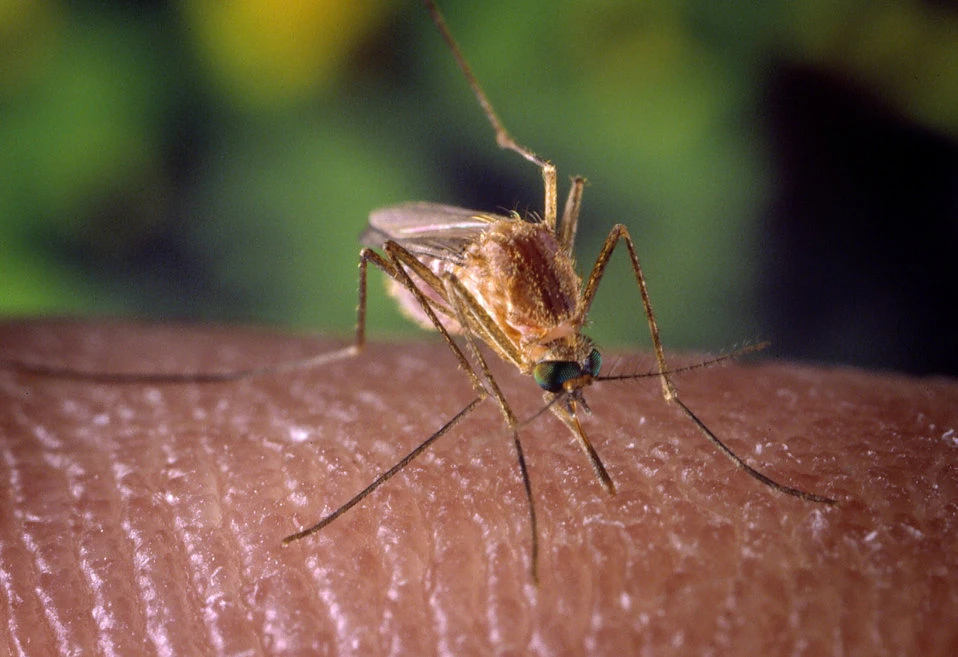
The case was identified within the North Central District Health Department jurisdiction.
DHHS is urging Nebraskans to take precautions to protect themselves and their families from mosquito bites as WNV activity increases during the summer months.
West Nile Virus is the leading cause of mosquito-borne disease in the United States, and Nebraska has historically experienced higher levels of WNV activity than many other states.
The virus is transmitted through the bite of an infected mosquito that acquired the virus after feeding on an infected bird.
WNV is not spread directly from sick or dead birds to humans and people cannot get the virus from sick or dead birds.
People can reduce their risk:
Use a repellent that contains DEET, picaridin, lemon eucalyptus oil, or IR3535.
Wear long-sleeved shirts, long pants, shoes, and socks when outside.
Take extra precautions when going outdoors at dawn and dusk when mosquitoes are most active.
Drain standing water around your home. Empty and change the water in bird baths, fountains, wading pools, rain barrels, and potted trays at least once a week, if not more often.
Irrigate lawns and gardens carefully to prevent water from standing for several days.
Make sure window and door screens are “bug tight" and repair or replace torn screens.
Most people infected with West Nile virus experience no symptoms or only mild flu-like illness. However, fewer than 1% of infected individuals develop severe disease. Adults over age 50 and people with weakened immune systems are at greater risk for serious illness and complications.


